
Master Your Freeze Dryer | FreezeDryer.us.com
Welcome to the greatest freeze dryer knowledge library, designed to address your most urgent inquiries about cutting-edge food preservation technologies. We at FreezeDryer.us.com are aware that purchasing a high-performance freeze drier raises a number of operational, budgetary, and technical issues for both novices and experts. Our extensive FAQ site offers the accurate, data-driven answers you need, whether you’re curious how a home freeze dryer handles complicated dairy products or you need to know the exact power requirements of a commercial freeze dryer. You can extend the shelf life of your freeze dryer, get rid of mechanical mistakes, and improve each preservation cycle by learning the fundamentals. Discover the full gastronomic and engineering potential of your investment by delving into our carefully chosen expert insights below.
How exactly does a freeze dryer remove moisture without cooking the food?
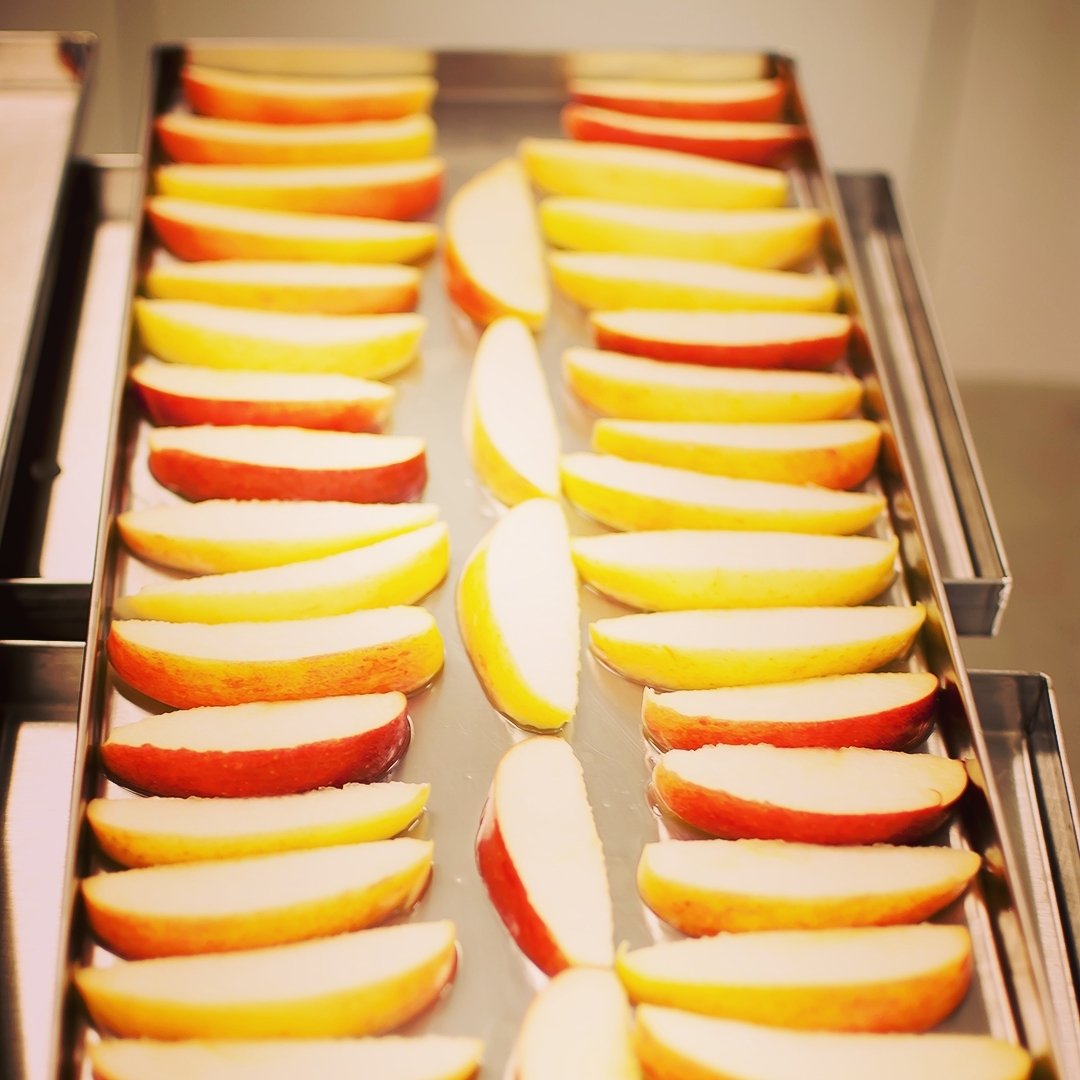
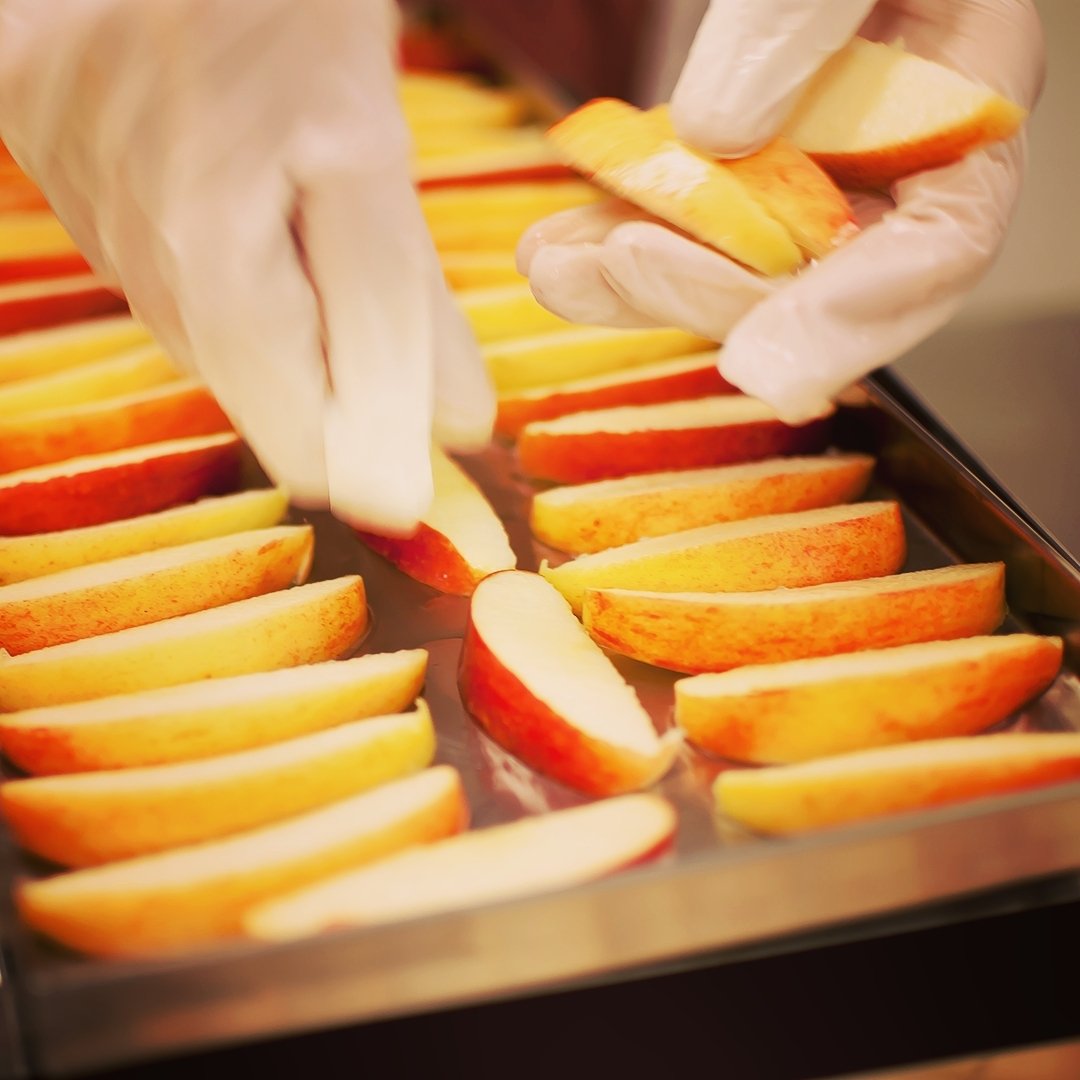
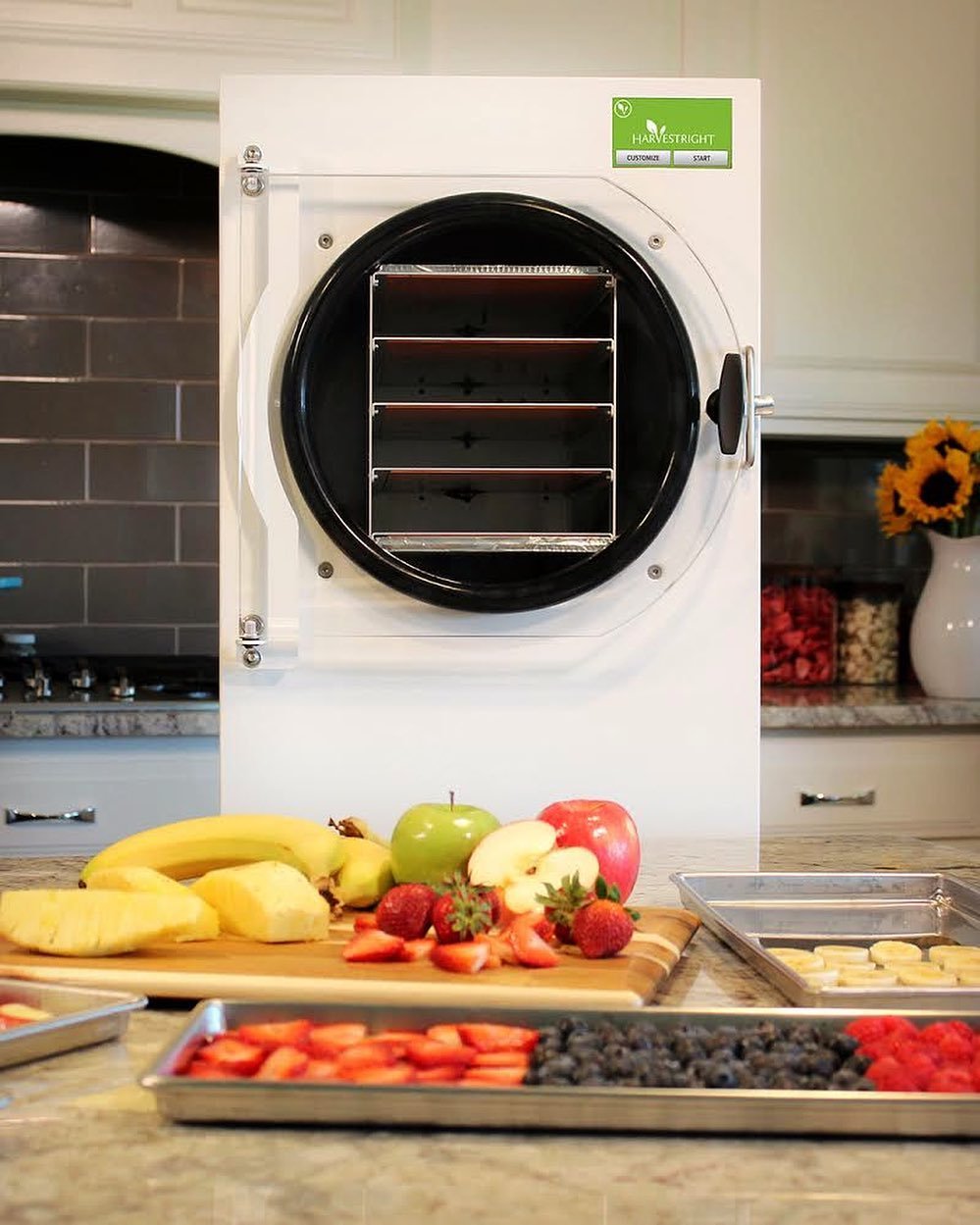
Instead of using simple evaporation, a modern freeze dryer uses a sophisticated thermodynamic process called sublimation. A freeze dryer’s internal temperature is first lowered to a freezing sub-zero level when new ingredients are loaded, freezing all moisture into solid ice crystals. The freeze drier lowers the air pressure below the triple point of water by turning on a powerful vacuum pump once it has frozen. The solid ice then immediately turns into a gas without ever liquefying thanks to the exact, mild heat applied to the trays by the heating elements included into the freeze dryer’s shelves. The food is left totally dry, cellularly intact, and structurally unaltered when the water vapor is drawn into a freezing condenser coil by the freeze dryer’s unique vacuum environment and locks back into ice.
Core Mechanics and Scientific Principles
What is the true shelf life of food processed inside a freeze dryer?
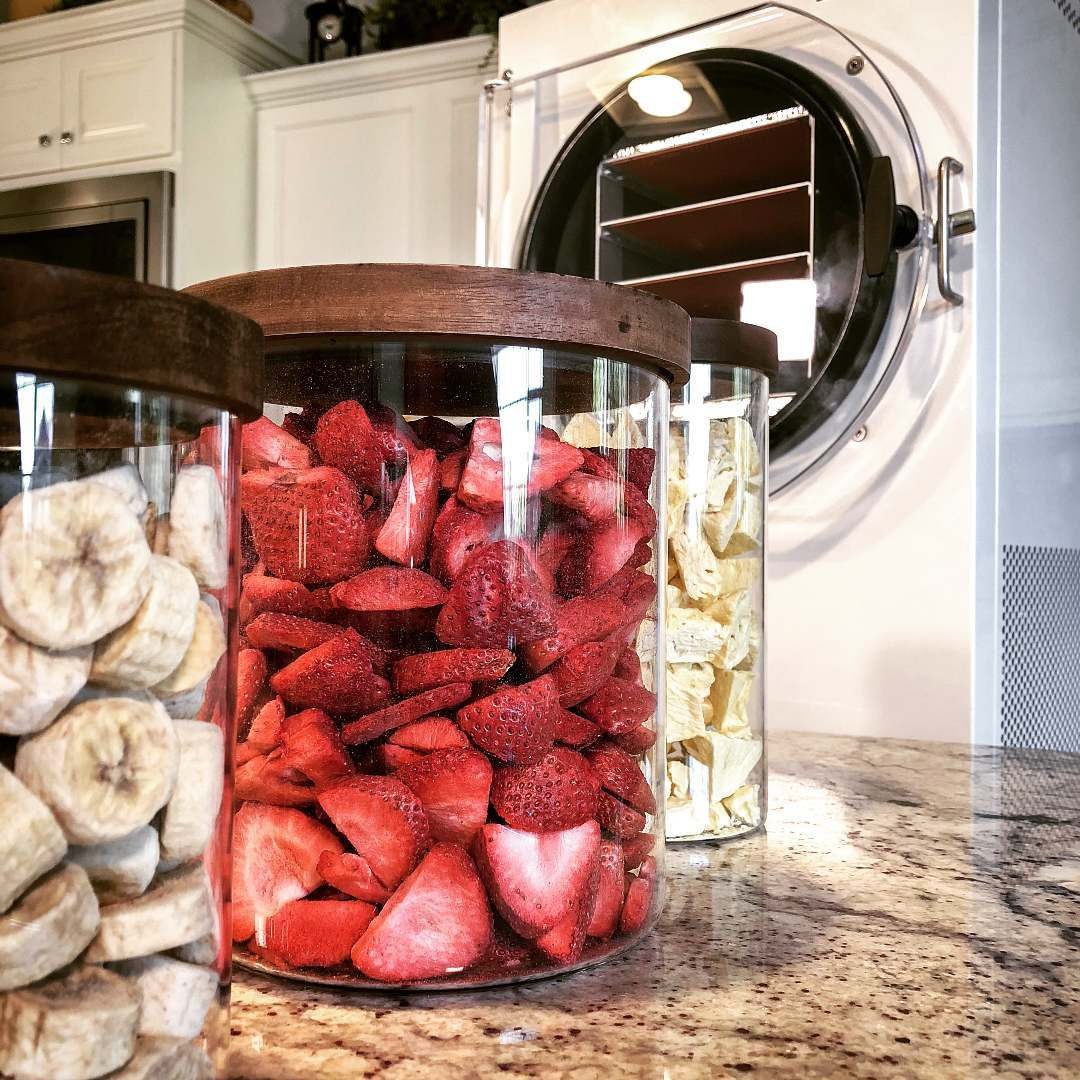
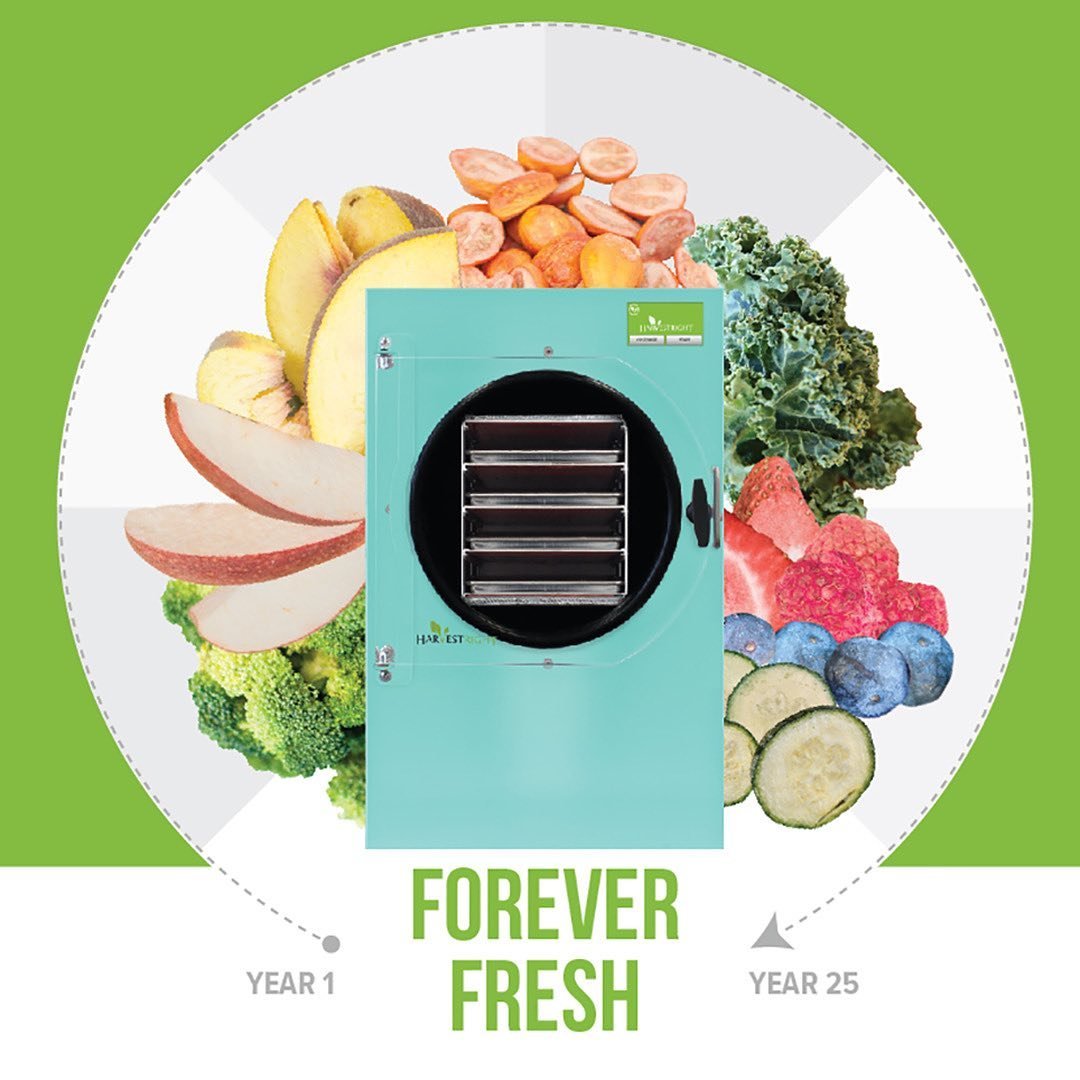
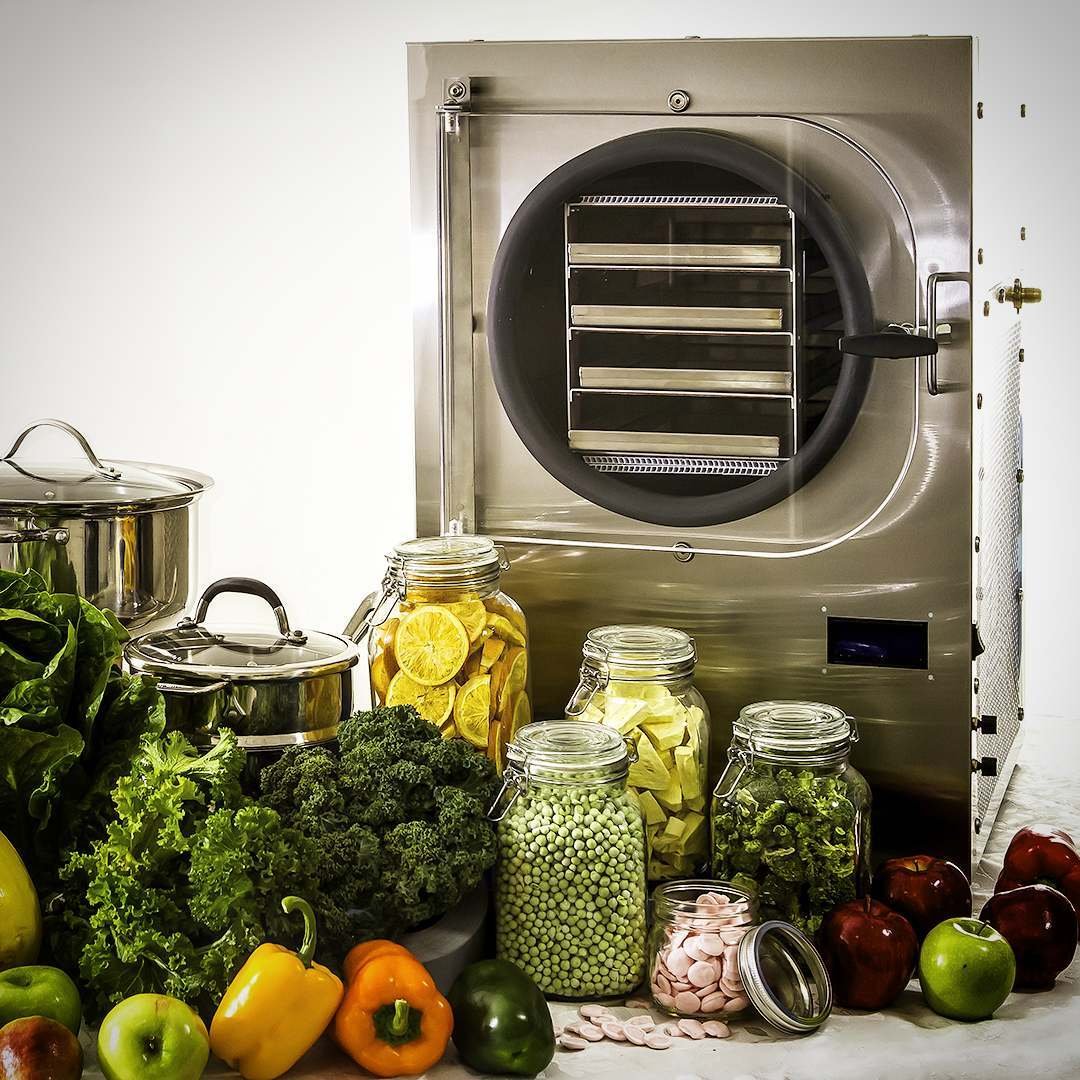
When properly packaged, food dried in a top-notch freeze dryer can retain its color, taste, and nutritional value for up to 25 years. The near-complete elimination of moisture—typically removing 98% to 99% of all water content where spoiling bacteria thrive—is what gives freeze dryer products their exceptional lifespan. However, food must be transferred right away from the freeze dryer into an airtight container, like a vacuum-sealed glass jar or a heavy-gauge Mylar bag, in order to achieve a multi-decade shelf life. To further reduce oxidative degradation over time, it is imperative to place a high-potency oxygen absorber next to the contents of your freeze dryer. You may establish an impenetrable barrier against environmental deterioration by combining a freeze dryer’s remarkable moisture-removal capabilities with appropriate barrier packaging.
Operational Costs and Utility Requirements
+—————————+———————————–+———————————–+
| Freeze Dryer Model Size | Average Peak Wattage | Estimated Cost Per 30-Hour Cycle |
+—————————+———————————–+———————————–+
| Small Freeze Dryer | 1,000 – 1,300 Watts | $2.00 – $3.50 USD |
| Medium Freeze Dryer | 1,200 – 1,600 Watts | $3.00 – $5.00 USD |
| Large Freeze Dryer | 1,600 – 2,000 Watts | $4.50 – $7.00 USD |
+—————————+———————————–+———————————–+
How much electricity does an average home freeze dryer consume per batch?
The size of the machine, the room temperature, and the particular moisture profile of the food being processed all affect how much electricity a typical freeze dryer uses. During its early freezing and deep vacuum stages, a medium-sized domestic freeze dryer typically draws 11 to 16 amps of power, or 1,200 to 2,000 watts at peak operation. A modern freeze dryer will use about 20 to 30 kilowatt-hours (kWh) of energy over a normal 24- to 36-hour cycle. Depending on local utility rates, this amounts to about $2.50 to $5.00 per batch. It is strongly advised to run your freeze dryer in a cold, climate-controlled space with good ventilation to minimize its operational footprint. This keeps the condenser from overheating and significantly shortens cycle durations.
Food Versatility and Limitations
Can you process absolutely any type of food inside a freeze dryer?
A few noteworthy organic substances cannot be handled safely because of their chemical composition, even if a high-end freeze dryer is very adaptable. Meats, fruits, vegetables, dairy products, cooked meals, and even liquid soups or coffee extracts are all expertly preserved by a basic freeze dryer. However, items like pure butter, chocolate, peanut butter, and avocados that have very high fat or refined oil concentrations do not work well in a freeze drier. Fat cannot sublimate or freeze solid because it lacks water; instead, it turns heated and rancid during the freeze dryer cycle’s heating phase. To guarantee that your freeze drier can produce a completely crisp, shelf-stable preservation condition, always select lean cuts of meat and low-fat products.
How do you properly rehydrate food that has been through a freeze dryer?
Food that has been treated by a freeze drier can be rehydrated quite easily with just clean, warm water. When food is exposed to moisture, it functions as a structural sponge because a freeze dryer creates tiny, open channels where the ice crystals formerly were. To rehydrate, just immerse your freeze dryer ingredients in hot water for five to ten minutes. This will help the fibers to replenish the moisture they lost during sublimation. You can gradually add water to complex foods like stews or casseroles made in a freeze drier until the original consistency is flawlessly restored. Most importantly, rehydrated meats and vegetables maintain their precise pre-frozen texture, snap, and savory flavor profiles because a freeze dryer does not cook or change the physical proteins during preservation.
Routine Maintenance and Upkeep
How often do you need to change the vacuum pump oil in a freeze dryer?
The most important thing you can do to guarantee the longevity and effectiveness of your freeze dryer is to maintain the vacuum pump. It is strongly advised to replace or filter the oil in your freeze dryer’s basic oil-sealed pump after every four to five finished batches. The pump oil becomes polluted and milky over time as a result of the moisture drawn from the food inside the freeze dryer bypassing the condenser and mixing into it. This reduces the pump oil’s ability to pull a deep vacuum. As an alternative, many freeze dryer owners decide to spend more money up front on a sophisticated oilless vacuum pump, which totally removes the need for dirty fluid changes. Keeping your freeze dryer vacuum system free of moisture contamination is essential for preventing systemic component corrosion, regardless of the pump approach you use.
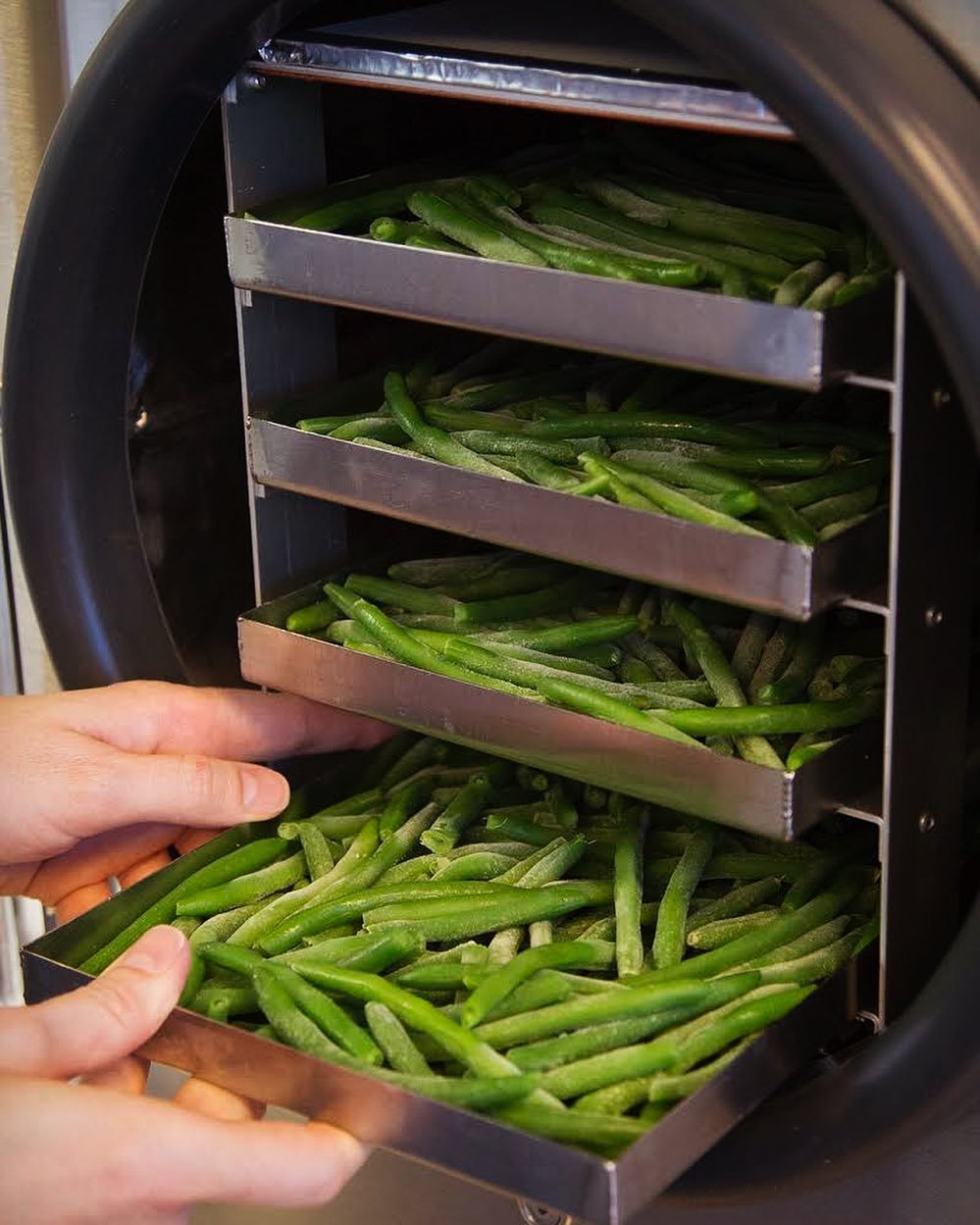
<Sequence>
{/* Reason: Missing or incorrectly ordering these maintenance steps will ruin the freeze dryer pump and invalidate the warranty. */}
<Step title=”Power Down and Drain” subtitle=”5 minutes”>
Ensure the **freeze dryer** cycle is completely finished and the power switch is off. Open the pump’s lower drain valve to release the contaminated oil into a clean container.
</Step>
<Step title=”Inspect and Filter Fluid” subtitle=”10 minutes”>
Examine the drained oil from your **freeze dryer** pump; if it appears cloudy or milky, pass it through an approved filtration system or replace it entirely with fresh, high-viscosity vacuum oil.
</Step>
<Step title=”Refill the Reservoir” subtitle=”5 minutes”>
Close the drain valve tightly and pour fresh oil into the top fill port of the **freeze dryer** pump until the fluid level sits squarely in the center of the sight glass indicator.
</Step>
</Sequence>
Troubleshooting Common Issues
Why is my freeze dryer cycle taking significantly longer than 30 hours?
Overloaded trays, excessive ambient temperatures, or a small vacuum leak are nearly invariably the cause of an unusually extended cycle in your freeze dryer. The effort is significantly increased when thick, unsliced fruit items or tightly packed meats are placed in a freeze drier because the internal ice finds it difficult to move through thick layers of dense tissue. Additionally, your freeze dryer’s rubber door gasket may develop a micro-leak that keeps the vacuum pump from maintaining the appropriate mTorr threshold if it has gathered lint, pet hair, or small debris. To fix this, make sure the external drain valve is fully closed, clean the acrylic door seal completely before beginning your freeze drier, and always slice your food evenly to a thickness of around 1/2 inch.
Connect with the Freeze Dryer Professionals
Are you still unsure about how to choose, maintain, or maximize your next freeze dryer system? FreezeDryer.us.com’s committed engineering and support staff is always available to help you navigate the fascinating world of cutting-edge sublimation technology for homes and businesses. We want to make sure you have all the information needed to successfully construct an impregnable, delectable home pantry because owning a freeze dryer is a really empowering asset. To become a true preservation expert, browse through our in-depth maintenance articles, examine our thorough buyer’s recommendations, or compare premium manufacturing brands. Allow us to assist you in locating the ideal freeze dryer setup for your family size, business, or way of life.
-
Sale!
Home Large Pro Freeze Dryer
Original price was: $2,699.00.$2,249.00Current price is: $2,249.00. -
Sale!
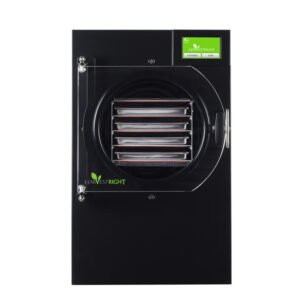
Home Small Pro Freeze Dryer
Original price was: $1,950.00.$1,450.00Current price is: $1,450.00. -
Sale!
Home Medium Pro Freeze Dryer
Original price was: $2,299.00.$1,699.00Current price is: $1,699.00. -
Sale!
Home X-Large Pro Freeze Dryer
Original price was: $4,299.00.$3,649.00Current price is: $3,649.00.